The nine hazard pictograms
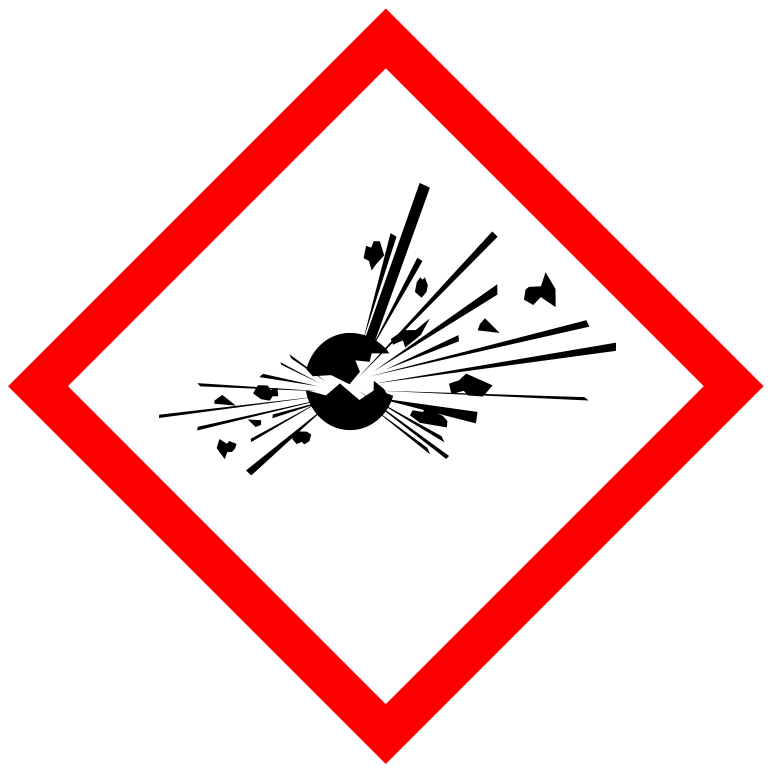
GHS01
Explosive
Symbol: exploding bomb
Some substances or mixtures can explode.
Covers
- Explosives
- Self-reactive substances and mixtures
- Organic peroxides
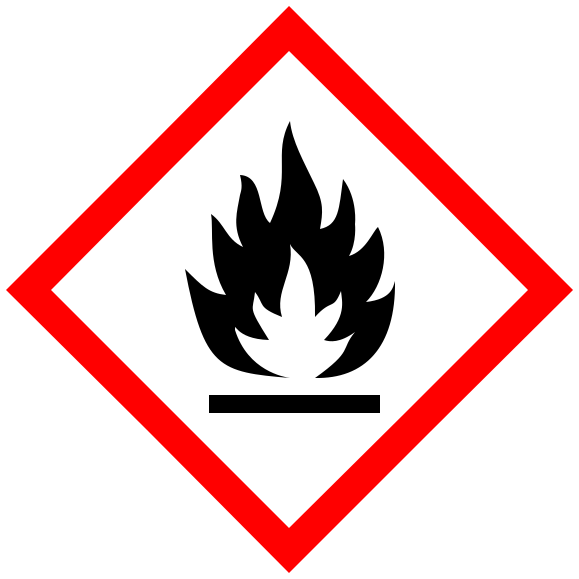
GHS02
Flammable
Symbol: flame
These substances or mixtures can catch fire.
Covers
- Flammable gases, aerosols, liquids and solids
- Self-reactive substances and organic peroxides
- Materials that ignite in air or heat themselves
- Materials that release flammable gas in water
- Desensitised explosives
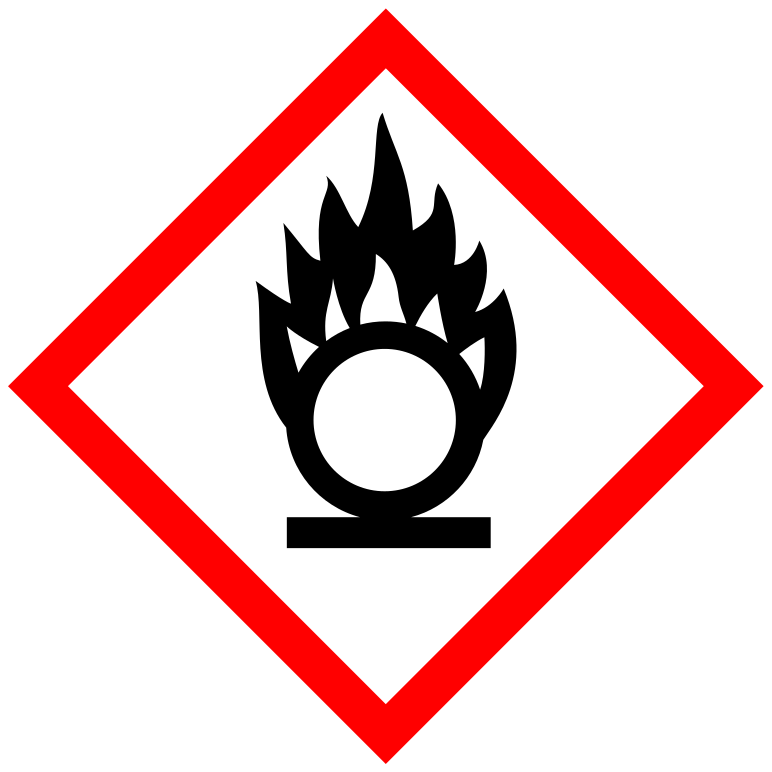
GHS03
Oxidising
Symbol: flame over circle
These substances or mixtures can make a fire worse.
Covers
- Oxidising gases
- Oxidising liquids
- Oxidising solids
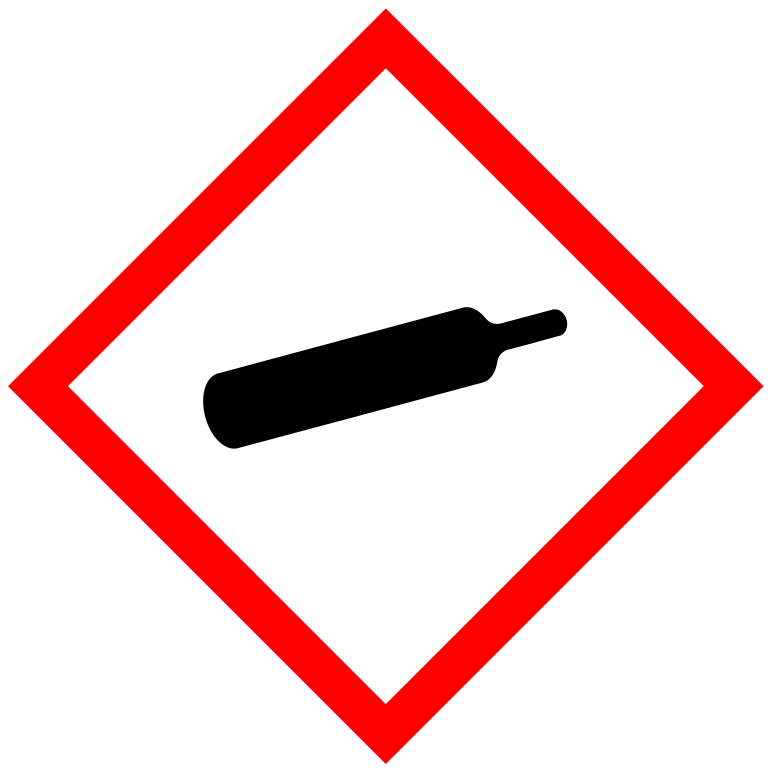
GHS04
Gas under pressure
Symbol: gas cylinder
The container holds gas under pressure.
Covers
- Compressed gases
- Liquefied gases
- Refrigerated liquefied gases
- Dissolved gases
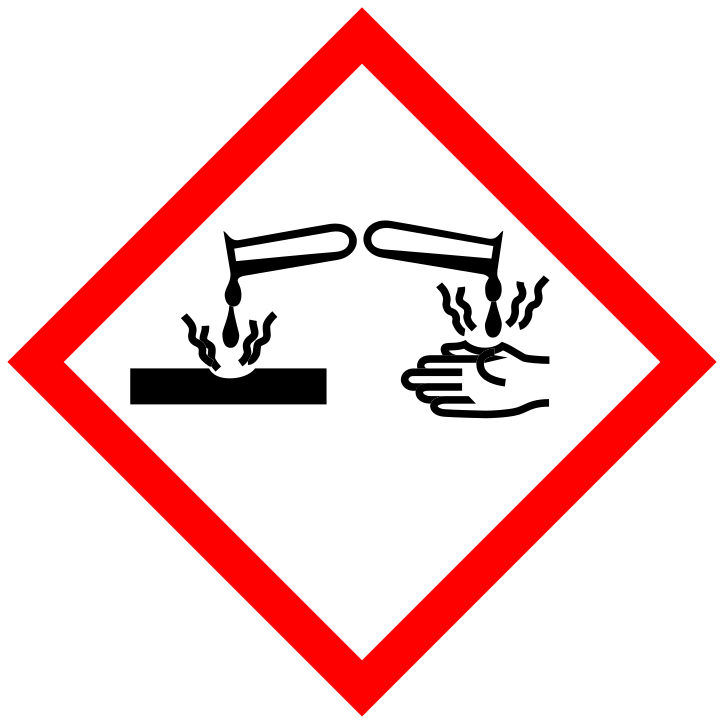
GHS05
Corrosive
Symbol: corrosion
These substances or mixtures can corrode metal or cause serious injury.
Covers
- Corrosive to metals
- Skin corrosion
- Serious eye damage
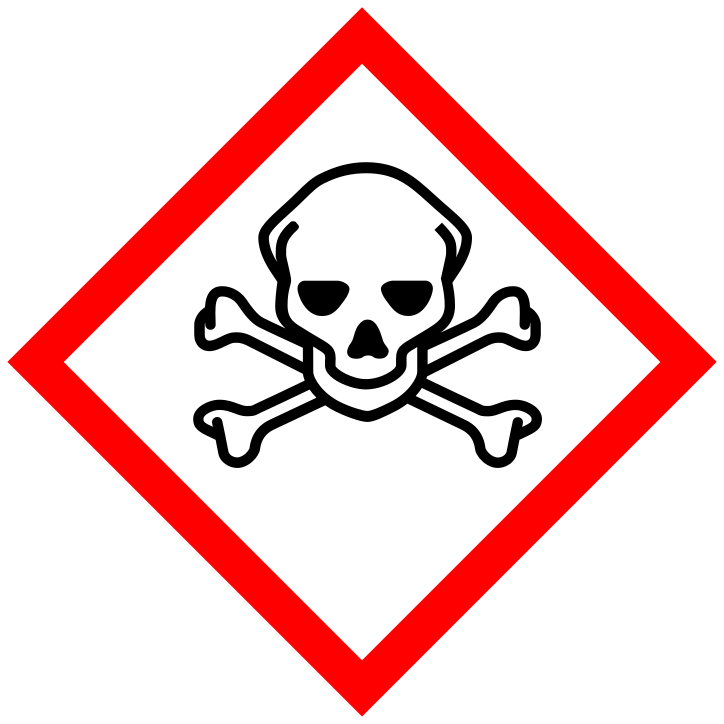
GHS06
Acute toxicity
Symbol: skull and crossbones
Covers acute toxicity in hazard categories 1 to 3. Category 4 uses the exclamation mark instead.
Covers
- Acute toxicity if swallowed
- Acute toxicity in contact with skin
- Acute toxicity if inhaled
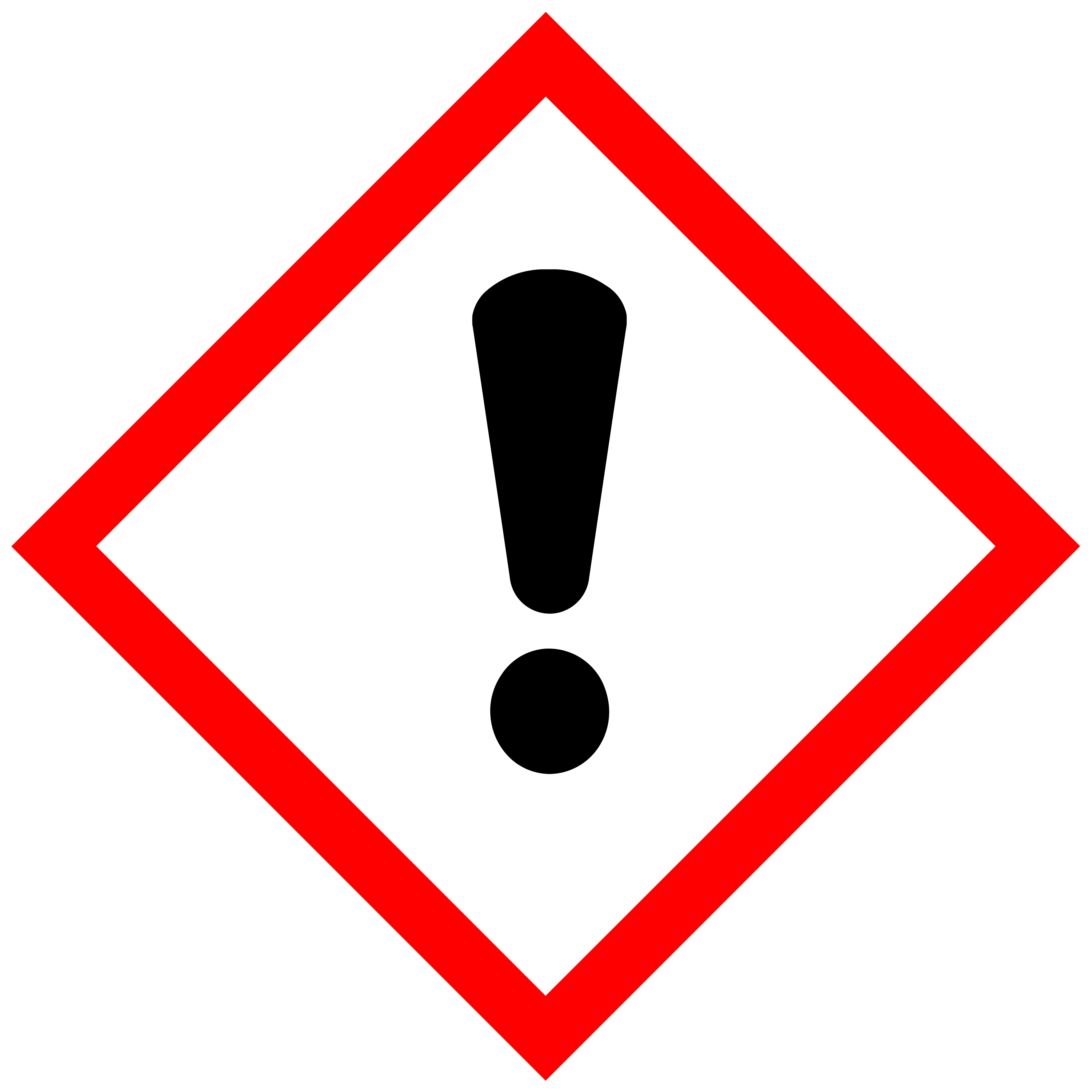
GHS07
Health hazard / Hazardous to the ozone layer
Symbol: exclamation mark
This symbol covers several health hazards and harm to the ozone layer.
Covers
- Acute toxicity in hazard category 4
- Skin or eye irritation and skin allergy
- Breathing irritation, drowsiness or dizziness
- Hazardous to the ozone layer
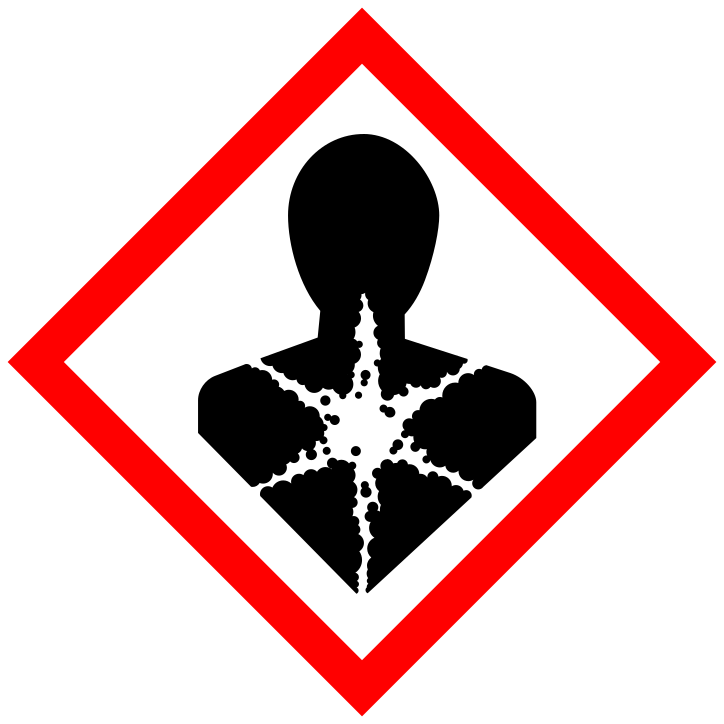
GHS08
Serious health hazard
Symbol: health hazard
These substances or mixtures can cause serious health effects.
Covers
- Breathing allergies
- Genetic damage, cancer or reproductive harm
- Damage to organs after exposure
- Aspiration hazard
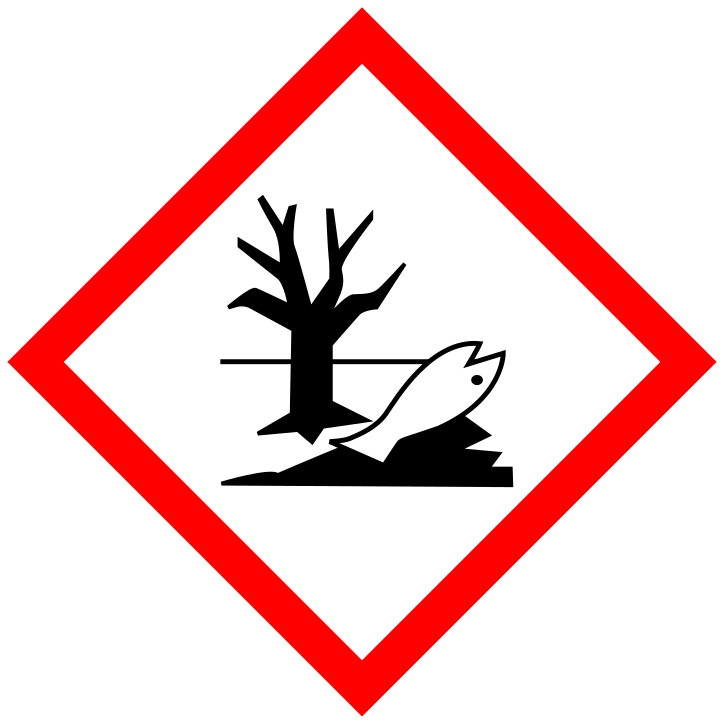
GHS09
Hazardous to the environment
Symbol: environment
These substances or mixtures can harm aquatic life.
Covers
- Immediate danger to aquatic life
- Long-term danger to aquatic life
Pictograms: UN GHS, public domain copies from Wikimedia Commons.
Signal words: Danger and Warning
GB CLP uses two signal words. Danger indicates a more severe hazard; Warning indicates a less severe hazard.
Hazard and precautionary statements
A hazard statement describes the nature of the hazard in a substance or mixture. HSE examples include "causes serious eye damage" and "toxic if swallowed".
A precautionary statement describes the recommended measures to minimise or prevent harm from exposure through use or disposal. HSE examples include "wear eye protection" and "in case of inadequate ventilation wear respiratory protection".
On the label and safety data sheet
A hazard label uses pictograms and written warnings to explain hazards and how to avoid them. A label may show more than one pictogram.
The supplier's safety data sheet also gives information about the hazards. Read both the label and the sheet.
What happened to the old orange symbols?
In its COSHH guide revised in 2012, HSE said new international symbols had been gradually replacing the European symbols since 2009. Its leaflet shows the old European symbols in black on orange squares. HSE added that the new symbols carry no single word describing the hazard, so read the hazard statement and the safety data sheet.
Using symbols in a COSHH assessment
Pictograms help identify hazards at the start of an assessment. Read the safety data sheet and consider how people may be exposed during the work.
HSE warns that health hazards are not limited to substances labelled as hazardous. The process can produce them, for example wood dust from sanding, silica dust from tile cutting or welding fume.
Use our COSHH assessment template and read the COSHH regulations guide. You can also check workplace exposure limits or find LEV testing companies.
To choose controls in the order the law sets, read the hierarchy of control guide. For fire and explosion risks from dangerous substances, read DSEAR explained.
Printable A4 poster
COSHH hazard symbols
Explosive
Some substances or mixtures can explode.
Flammable
These substances or mixtures can catch fire.
Oxidising
These substances or mixtures can make a fire worse.
Gas under pressure
The container holds gas under pressure.
Corrosive
These substances or mixtures can corrode metal or cause serious injury.
Acute toxicity
Covers acute toxicity in hazard categories 1 to 3. Category 4 uses the exclamation mark instead.
Health hazard / Hazardous to the ozone layer
This symbol covers several health hazards and harm to the ozone layer.
Serious health hazard
These substances or mixtures can cause serious health effects.
Hazardous to the environment
These substances or mixtures can harm aquatic life.
Questions about COSHH symbols
What are the 9 COSHH symbols?
The nine GB CLP pictograms cover explosive, flammable, oxidising, gas under pressure, corrosive and acute toxicity hazards. They also cover health hazards, serious health hazards and hazards to the environment.
What does the exclamation mark symbol mean?
It covers acute toxicity in hazard category 4, skin and eye irritation, and skin allergy. It also covers breathing irritation, drowsiness or dizziness, and hazards to the ozone layer.
What is the difference between COSHH symbols and CLP pictograms?
HSE calls them hazard pictograms (symbols). They come from GB CLP, whose Annex V sets out each pictogram and the hazards it covers. COSHH is the separate law on controlling exposure to substances hazardous to health.
Are the old orange hazard symbols still used?
In its COSHH guide revised in 2012, HSE said new international symbols had been gradually replacing the old European symbols since 2009. HSE also says all mixtures have had to be classified, labelled and packaged under CLP since 1 June 2015, and GB CLP keeps that rule.
Where do I find a product's hazard symbols?
Look on the product label and in the supplier's safety data sheet. A label may show more than one pictogram.
Sources
Opened and checked on 18 November 2026.
- HSE: Hazard pictograms (symbols)
- GB CLP Regulation, Annex V: Hazard pictograms
- HSE: Hazard statements, precautionary statements and signal words
- HSE: Telling others about the classification: the hazard label
- HSE: Working with substances hazardous to health, a brief guide to COSHH (INDG136, revised 10/12)
- HSE: Cleaning products and the corrosive pictogram
- HSE: How to carry out a COSHH risk assessment